
tips Become a master of perfect coffee preparation. Get to know some important coffee tips that will surprise even the most experienced coffee lovers.

Preparation of coffee
»in dzezva«
Preparation of coffee in dzezva (copper, cast iron) s the most common way of preparing coffee in our country. A beverage is aromatic and full of flavour which is highly dependent on the preparation itself. Some small but important details are those that make a difference between the unsuccessful attempt and the mastery of a perfect flavour.
First tip (where probably we all do the opposite)
"The most important thing is that water does not boil completely. If we put coffee into boiling water, two chemicals are released from coffee. These two chemicals increase a level of cholesterol in blood and increase the risk of heart disease. Thus, always add coffee just before the boiling point. Also the flavour will be more perfect".

Impress your guests by preparing
coffee in different ways
Notice: Trying to access array offset on value of type int in /home/visiva51/emonec.visiva-adv.eu/wp-content/themes/tauria/tmp_Kavni_koticek.php on line 57

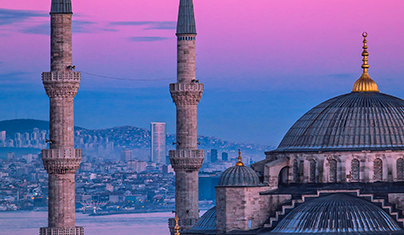
Turkish way
Preberite načinFor one cup of coffee you shall prepare 77 ml of cold water and 7 g of coffee. Put water and coffee in dzezva and place it on heating body (induction, gas burner, electric panel). Start with heating phase. It is no need to stir coffee during the procedure as it mixes with water by itself.
When the content begins to rise, remove dzezva, pour coffe into a cup and wait for 30 seconds. Add sugar, if desired, at the beginning or at the end, before pouring coffee into a cup.
Notice: Trying to access array offset on value of type int in /home/visiva51/emonec.visiva-adv.eu/wp-content/themes/tauria/tmp_Kavni_koticek.php on line 57

Serbian way
Preberite načinMeasure one cup of water and pour water into dzezva. Place dzezva on the heating body and heat the water. Remove dzezva when you notice thah small bubbles begin to lift from the bottom. Add two full teaspoons of coffee and stir. If desired, you can put dzezva on the heating body again to get the content rise slightly.
Pour coffee into a cup and wait for 30 seconds. Add sugar, if desired, at the beginning or at the end, before pouring coffee into a cup. At optional procedure you can heat sugar in dzezva until caramelizing and then add coffee. When coffee smells, you shall pour over with warm water.

Notice: Trying to access array offset on value of type int in /home/visiva51/emonec.visiva-adv.eu/wp-content/themes/tauria/tmp_Kavni_koticek.php on line 57

Greek way
Preberite načinThe Greeks have different names depending on the quantity of sugar and coffee.
SKETOS – Without sugar: only coffee
VARIS - Strong: 2-3 full teaspoons of coffee with 1 teaspoon of sugar
ELAFRIS - Light: 1/2-1 teaspoon of coffee + 1 teaspoon of sugar
GLYKOS - Sweet: 1 teaspoon of coffee + 2 teaspoons of sugar
VARIGLYKOS – Strong and sweet: 3 teaspoons of coffee + 3 teaspoons of sugar
NE KE OHI – YES and NO: 1 teaspoon of coffee + 1/2 teaspoon of sugar
Measure one cup of water and pour water into dzezva. Add the desired quantity of coffee and sugar and place dzezva on the heating body. When the content rises, remove and pour into a cup.

Notice: Trying to access array offset on value of type int in /home/visiva51/emonec.visiva-adv.eu/wp-content/themes/tauria/tmp_Kavni_koticek.php on line 57

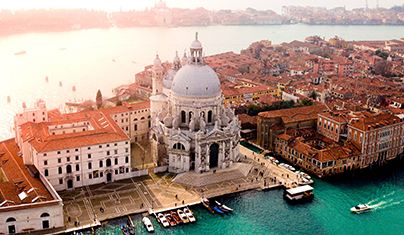
Italian way
Preberite načinTo prepare an excellent espresso you need:
Coffee machine that generates pressure of 9 Bar and water temperature about 90 °C.
Coffee grinder which should have sharp knives and should be set to fine grounding of coffee beans. It is preferred to grind coffee beans for each cup separately.
Coffee or coffee blend: the most common coffee types are Arabica and Robusta that refine blends in different proportions.
Procedure of preparation: Water with a temperature of about 90 °C and a pressure of 9 Bar penetrates through a minimum quantity 7g of ground coffee. In 20 -25 seconds a beverage of 20ml - 30ml is obtained. Of course it depends on what type of coffee do we cook, what is the ratio of the blend and what is the roasting.
Notice: Trying to access array offset on value of type int in /home/visiva51/emonec.visiva-adv.eu/wp-content/themes/tauria/tmp_Kavni_koticek.php on line 85
For one cup of coffee you shall prepare 77 ml of cold water and 7 g of coffee. Put water and coffee in dzezva and place it on heating body (induction, gas burner, electric panel). Start with heating phase. It is no need to stir coffee during the procedure as it mixes with water by itself.
When the content begins to rise, remove dzezva, pour coffe into a cup and wait for 30 seconds. Add sugar, if desired, at the beginning or at the end, before pouring coffee into a cup.
Natisnite recept
Notice: Trying to access array offset on value of type int in /home/visiva51/emonec.visiva-adv.eu/wp-content/themes/tauria/tmp_Kavni_koticek.php on line 85
Measure one cup of water and pour water into dzezva. Place dzezva on the heating body and heat the water. Remove dzezva when you notice thah small bubbles begin to lift from the bottom. Add two full teaspoons of coffee and stir. If desired, you can put dzezva on the heating body again to get the content rise slightly.
Pour coffee into a cup and wait for 30 seconds. Add sugar, if desired, at the beginning or at the end, before pouring coffee into a cup. At optional procedure you can heat sugar in dzezva until caramelizing and then add coffee. When coffee smells, you shall pour over with warm water.
Natisnite receptNotice: Trying to access array offset on value of type int in /home/visiva51/emonec.visiva-adv.eu/wp-content/themes/tauria/tmp_Kavni_koticek.php on line 85
The Greeks have different names depending on the quantity of sugar and coffee.
SKETOS – Without sugar: only coffee
VARIS - Strong: 2-3 full teaspoons of coffee with 1 teaspoon of sugar
ELAFRIS - Light: 1/2-1 teaspoon of coffee + 1 teaspoon of sugar
GLYKOS - Sweet: 1 teaspoon of coffee + 2 teaspoons of sugar
VARIGLYKOS – Strong and sweet: 3 teaspoons of coffee + 3 teaspoons of sugar
NE KE OHI – YES and NO: 1 teaspoon of coffee + 1/2 teaspoon of sugar
Measure one cup of water and pour water into dzezva. Add the desired quantity of coffee and sugar and place dzezva on the heating body. When the content rises, remove and pour into a cup.
Notice: Trying to access array offset on value of type int in /home/visiva51/emonec.visiva-adv.eu/wp-content/themes/tauria/tmp_Kavni_koticek.php on line 85
To prepare an excellent espresso you need:
Coffee machine that generates pressure of 9 Bar and water temperature about 90 °C.
Coffee grinder which should have sharp knives and should be set to fine grounding of coffee beans. It is preferred to grind coffee beans for each cup separately.
Coffee or coffee blend: the most common coffee types are Arabica and Robusta that refine blends in different proportions.
Procedure of preparation: Water with a temperature of about 90 °C and a pressure of 9 Bar penetrates through a minimum quantity 7g of ground coffee. In 20 -25 seconds a beverage of 20ml - 30ml is obtained. Of course it depends on what type of coffee do we cook, what is the ratio of the blend and what is the roasting.
Natisnite recept
Regardless of the method of preparation we wish you many pleasures with a cup of your favourite, marvellously aromatic coffee. Emonec Coffee.
Did you know?
Enter in our coffee boutique.
Emonec
Coffee through time…
It is said that coffee is a hug in a cup. That coffee does not ask stupid questions but simply understands. That every successful company is run by good employees and large cups of coffee. That we need at least one espresso every day because without coffee we are endangered by a disease called »depressa«. Many people say that coffee is a beverage that smells like heaven. And, we certainly all agree that we like friends who make us laugh and cook us coffee.

Do you know the story about the origin of coffee? It is said that all the blame should bear the goats and sleepy monks ?
There are many legends about how coffee was discovered, but it is most likely that it was goats, who were the ones who had the biggest role in discovering world’s most widespread “drug”. The story goes, that coffee was discovered in the ninth century in Africa, today’s Ethiopia, by a goat shepherd named Khaldi, who lived Egypt.
One night, Khaldi's goats did not return home, so he went looking for them and found them dancing around a bush with red berries. The next day, he caught the goats eating coffee beans, so he tried the beans himself and soon, he started jumping and dancing around. Khaldi forgot of all of his problems and became the happiest shepherd in Egypt.

Khaldi even told monks about these mysterious beans and they used coffee beans to make a potion that would help them stay awake, when praying through the night. Monks tested and tried the coffee by drinking it regularly and discovered that it helped them maintain perfect health. Demand for coffee has grown quickly throughout the kingdom and the news about these invigorating fruits had soon spread far around, especially to Europe.

Start a new day with Emonec Coffee.


Get in contact
Emonec Kafe, proizvodnja in trgovina, d.o.o. Koper
Vanganelska cesta 20, 6000 Koper - Capodistria
+386 5 625 90 78